Course Overview
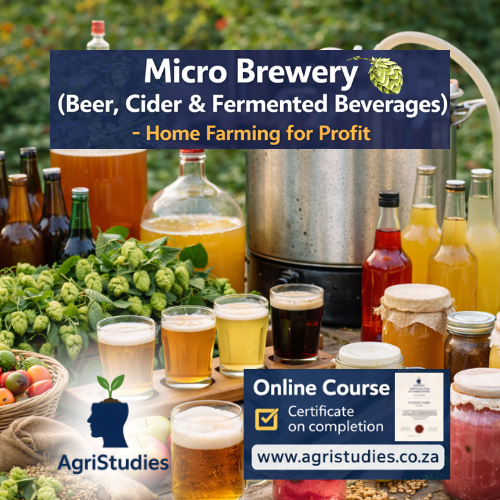
Micro Brewery (Beer, Cider & Fermented Beverages) – Home Farming for Profit™ is a practical online course designed to teach you how to start, manage, and grow a small-scale micro brewery from home, with a clear focus on profitability, quality control, and legal compliance.
This course is not about brewing as a hobby. It is built for people who want to turn beer, cider, and fermented beverage production into a structured home-based business. You will learn the systems that make small-batch production repeatable, consistent, and profitable.
A major component of this course is understanding the legal realities of selling fermented beverages. You will learn the difference between personal brewing and commercial production, what typically triggers licensing or approvals, what rules commonly apply to storage, packaging, labelling, and selling, and how to plan growth in a way that reduces unnecessary legal risk. The course does not replace legal advice, but it gives you a clear compliance framework so you know what to check, what to ask, and what to avoid.
You will be guided through the full micro brewing journey, starting with fermentation fundamentals and progressing through equipment selection, production methods, hygiene and sanitation, costing, pricing, branding, and selling pathways. The course covers both alcoholic and non-alcoholic fermented beverages, helping you choose products that fit your goals and your local regulations.
The central theme throughout is home farming for profit. You will learn how small batches, efficient use of space, and correct pricing can generate income without large commercial facilities, while still operating responsibly and building toward a compliant micro enterprise.
Frequently Asked Questions
Is this course for beginners, or do I need brewing experience?
This course is suitable for beginners. It starts with fermentation fundamentals and builds up step by step into equipment choices, production systems, hygiene, quality control, and business planning. The focus is on teaching a repeatable process that produces consistent results, so beginners can learn correctly from the start, while more experienced brewers can strengthen their systems, costing, and profitability approach.
Does the course teach brewing as a hobby, or as a business?
This course is built for business-minded learners. Instead of focusing on “trying recipes,” it teaches systems that make small-batch brewing repeatable, reliable, and profitable. You will learn how to plan batches, reduce waste, improve consistency, and price correctly. The aim is to help you operate like a small producer with standards, not like a casual hobby brewer.
Does the course cover legal compliance for selling beer, cider, or fermented beverages?
Yes. A major part of this course is understanding the difference between personal brewing and commercial selling. It explains common compliance areas such as licensing triggers, approvals, storage requirements, packaging and labelling expectations, and responsible selling pathways. The course does not replace legal advice, but it gives you a clear framework so you know what to check, what questions to ask, and how to plan growth in a way that reduces unnecessary risk.
What products are covered in the course?
The course covers beer, cider, and a range of fermented beverages, including both alcoholic and non-alcoholic options. This helps learners choose products that match their goals, production capacity, and local regulations. You will learn how to think about product selection strategically, including shelf-life, customer demand, packaging practicality, and profit margins.
Will I learn how to calculate costs and set profitable prices?
Yes. The course teaches costing in a practical way so you can understand your cost per batch and cost per bottle/can, including ingredients, packaging, utilities, losses, and time. You will learn how to set prices that protect profit margins and avoid the common mistake of underpricing. The course also helps you plan production in a way that improves efficiency and increases profit without needing large commercial facilities.
Course Structure
1.1 What a Micro Brewery Really Is and Is Not
• Definition of a micro brewery in practical, business terms
• Difference between hobby brewing and income-focused production
• Small-batch production with controlled volumes
• Focus on consistency, repeatability, and profitability
• Why intent to sell defines a micro brewery
• Common misconceptions about scale and equipment
1.2 Fermented Beverage Options Overview
• Beer production using malt, hops, yeast, and water
• Cider production using fermented fruit juice
• Ginger beer as an alcoholic and non-alcoholic option
Kombucha and low-alcohol fermented beverages
• Differences in cost, skill level, and fermentation time
• Market demand and customer preferences
1.3 Home-Based vs Commercial Breweries
Characteristics of home-based micro breweries
• Lower startup costs and reduced financial risk
• Flexible production schedules
• Direct customer interaction and feedback
• Characteristics of commercial breweries
• Higher capital investment and operational complexity
• Understanding the transition point between home and commercial scale
1.4 Profit From Home Farming™
• Business Model
• Value-added production using limited space
• Turning low-cost inputs into higher-value products
• Small-batch profitability and cost control
• Pricing based on value rather than volume
• Waste reduction through planning and consistency
• Reinvesting profits into equipment and systems
• Sustainable, low-risk growth over time
1.5 Realistic Income Expectations
• Factors that influence income in micro brewing
• Batch size, pricing, and product choice
• Early-stage income as supplemental revenue
• Importance of consistency and repeat customers
• Direct sales versus wholesale margins
• Risks of scaling too quickly
• Building profitability gradually and sustainably
Module 2: Brewing Fundamentals
2.1 How Fermentation Works
• Basic fermentation explained in simple terms
• Role of yeast and bacteria
• Conversion of sugars into alcohol and carbon dioxide
• Importance of temperature and time
2.2 Key Brewing Ingredients
• Water quality and mineral content
• Malt and fermentable sugars
• Hops and flavour balance
• Yeast selection and behaviour
2.3 Alcoholic vs Non-Alcoholic Fermented Drinks
• Differences in fermentation control
• Alcohol thresholds and legal awareness
• Market opportunities for each category
2.4 Batch Sizes and Production Mindset
• Choosing batch sizes for home setups
• Quality versus quantity decision-making
• Managing risk in early production
Module 3: Equipment for Home Micro Brewing
3.1 Starter vs Semi-Professional Equipment
• Basic starter equipment overview
• Advantages of simple setups
• When upgrading makes sense
3.2 Core Brewing Equipment
• Fermenters and fermentation control
• Kettles and heating options
• Cooling systems
• Sanitation equipment
3.3 Bottling, Kegging, and Space Planning
• Bottling versus kegging considerations
• Using garages, sheds, and spare rooms
• Workflow planning for hygiene and efficiency
3.4 Budget Breakdown
• Starter-level budget planning
• Growth-stage investment planning
• Avoiding unnecessary spending
Module 4: Brewing Methods & Recipes
4.1 Brewing Methods
• Extract brewing explained
• All-grain brewing explained
• Pros and cons of each method
4.2 Recipes and Consistency
• Beer styles that sell well
• Simple cider and fruit fermentations
• Maintaining consistency between batches
• Scaling recipes without losing quality
Module 5: Food Safety, Hygiene & Quality Control
5.1 Hygiene and Sanitation
• Sanitation rules for beverage production
• Cleaning schedules and procedures
• Preventing contamination
5.2 Quality Control
• Shelf life basics
• Taste testing and quality checks
• Batch tracking and record keeping
Module 6: South African Legal & Compliance Guide
6.1 Alcohol and Liquor Regulations
• Liquor Act basics explained simply
• Home brewing versus selling alcohol legally
• Liquor licence types including micro and off-consumption
6.2 Local Compliance Requirements
Municipal bylaws and zoning considerations
• When and how to become compliant
• Selling non-alcoholic fermented drinks legally
6.3 How to Apply for Licences and Permissions
• Identifying the correct licence based on product and sales method
• Confirming zoning and municipal approval before applying
• Documents required for liquor licence applications
• Application process and expected timelines
• Public notice and objection procedures
• Inspections and compliance checks
• Provincial liquor authorities and who to contact
• Common application mistakes and how to avoid delays
Module 7: Packaging, Branding & Labelling
7.1 Packaging Options
• Bottles, cans, kegs, and growlers
• Cost and practicality of each option
7.2 Branding and Labelling
• Label requirements in South Africa
• Alcohol content declarations
• Brand positioning for small producers
• Cost-effective branding strategies
Module 8: Pricing, Costs & Profit Planning
8.1 Costing and Pricing
• Cost per litre calculations
• Pricing for direct sales
• Pricing for retailers
• Margin targets
8.2 Financial Planning
• Break-even analysis
• Cash flow awareness
• Reinvestment strategies
Module 9: Selling Channels
9.1 Sales Options
• Direct sales where legally permitted
• Markets and events
• Restaurants and bottle stores
• Tastings and brand activations
• Non-alcoholic product opportunities
Module 10: From Home Brewer to Micro-Enterprise
10.1 Scaling and Growth
• Scaling production safely
• Knowing when to move out of home
• Hiring and outsourcing
• Equipment upgrades
• Long-term brand growth planning
• Practical Add-Ons
• Simple starter beer recipe
• Cider recipe for beginners
• Cleaning and sanitation checklist
• Cost calculator spreadsheet
• Legal compliance checklist (SA-specific)
• Label compliance example
Course Format
• 100% online and self-paced
• ± 15 hours total content
• Module quizzes
• Final assessment
• AgriStudies Certificate of Completion



Pieter Goosen –
Real in depth coverage to understanding how to build a succesfull microbrewery in South Africa.